 The Embassy of Sri Lanka in Vietnam participated in two renowned food festivals in Hanoi, highlighting the island's rich culinary and cultural traditions.
The Hanoi Culinary Festival, organized by the People's Committee of Hanoi from 28-30 November 2024, and the International Food Festival, an annual event hosted by the Ministry of Foreign Affairs of Vietnam from 7-8 December 2024, attracted a large number of visitors, including diverse participation. These festivals offered unique platforms for Sri Lanka to showcase its vibrant flavors and traditional artistry to an international audience.
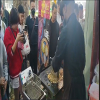
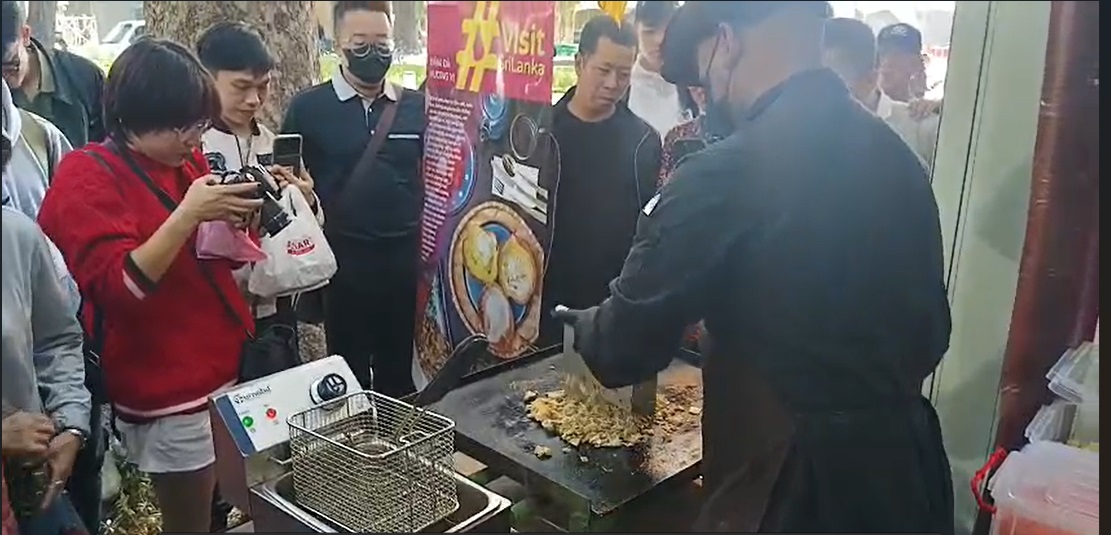
At both events, the Sri Lankan booth featured live demonstrations of making Kottu, a Sri Lankan Street food, along with an array of traditional sweets. Visitors were treated to samples of authentic Ceylon tea and had the opportunity to explore the island’s tourism potential through promotional materials.
In addition to culinary delights, Sri Lankan batik crafts and artisanal products were displayed, providing a glimpse into the island’s cultural richness. The booth attracted steady interest from attendees who appreciated the chance to experience Sri Lanka’s traditional food, crafts, and hospitality firsthand.
Both festivals drew significant crowds, including members of the diplomatic community, further emphasizing the importance of cultural exchange and collaboration. The Embassy's participation underscored its commitment to strengthening cultural ties between Sri Lanka and Vietnam while promoting Sri Lanka’s food, tourism, and artisanal industries to a broader international audience.
Embassy of Sri Lanka
Hanoi
09 December 2024
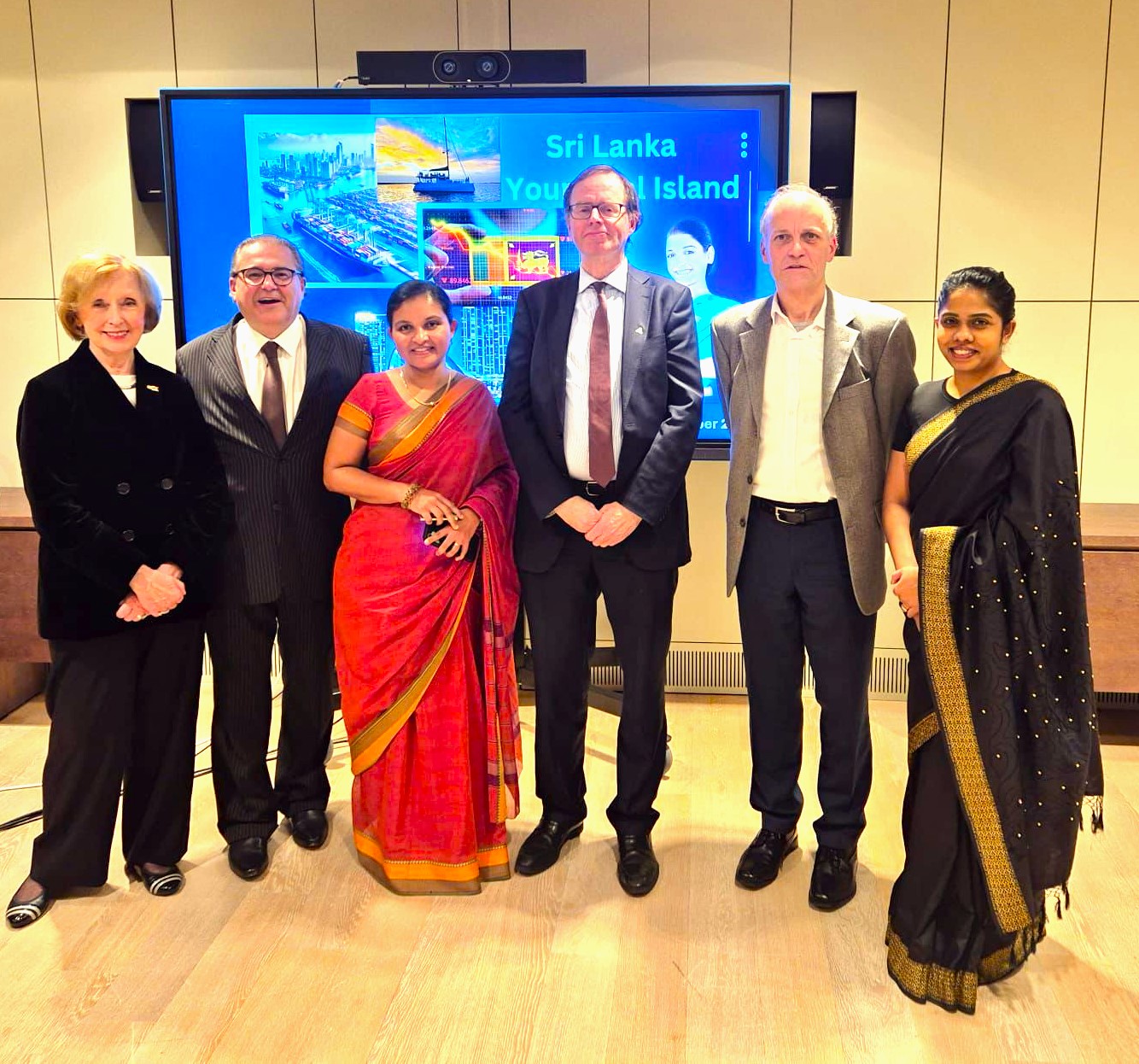
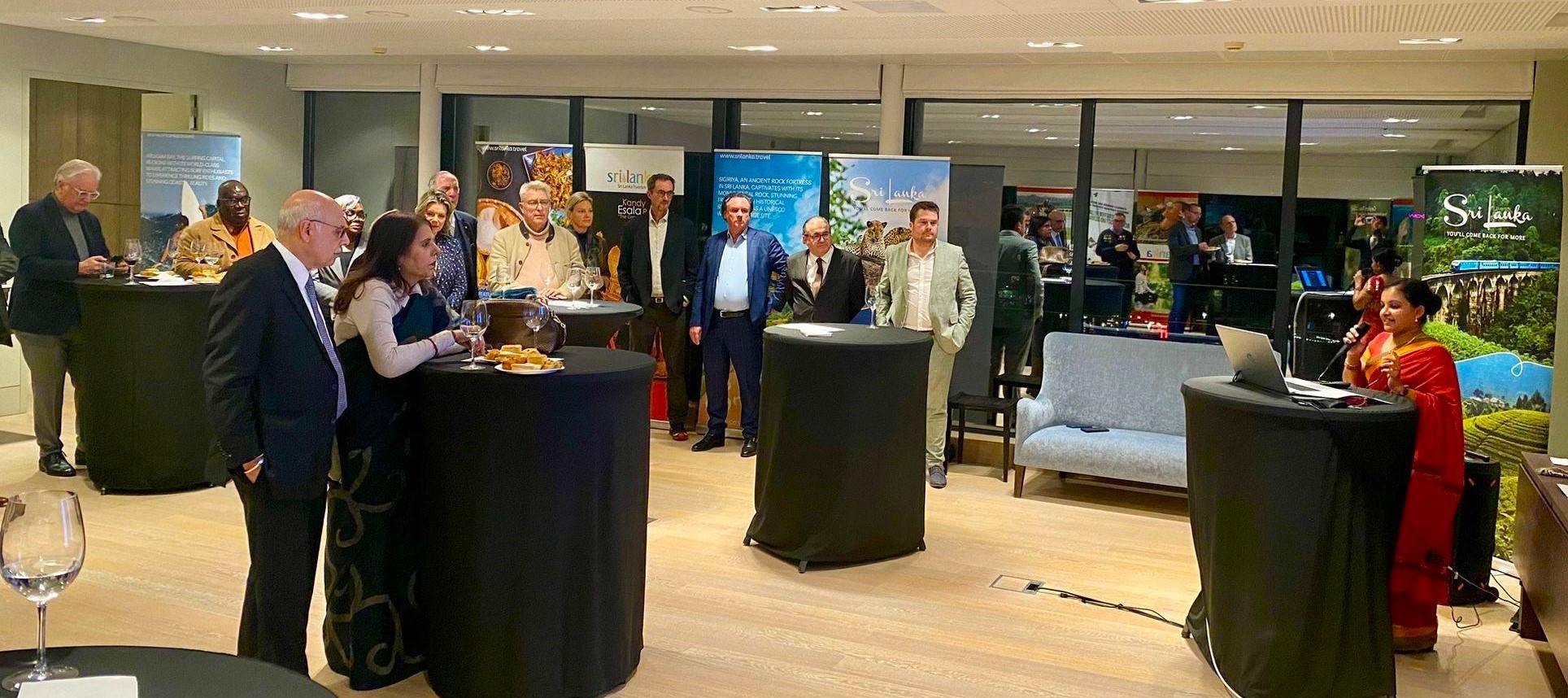
Sri Lanka Embassy in Brussels presented Sri Lanka’s notable economic recovery and emerging opportunities in trade, investment, and tourism to over 35 prominent representatives from the Belgian private sector on 05 December in Antwerp region in Belgium.
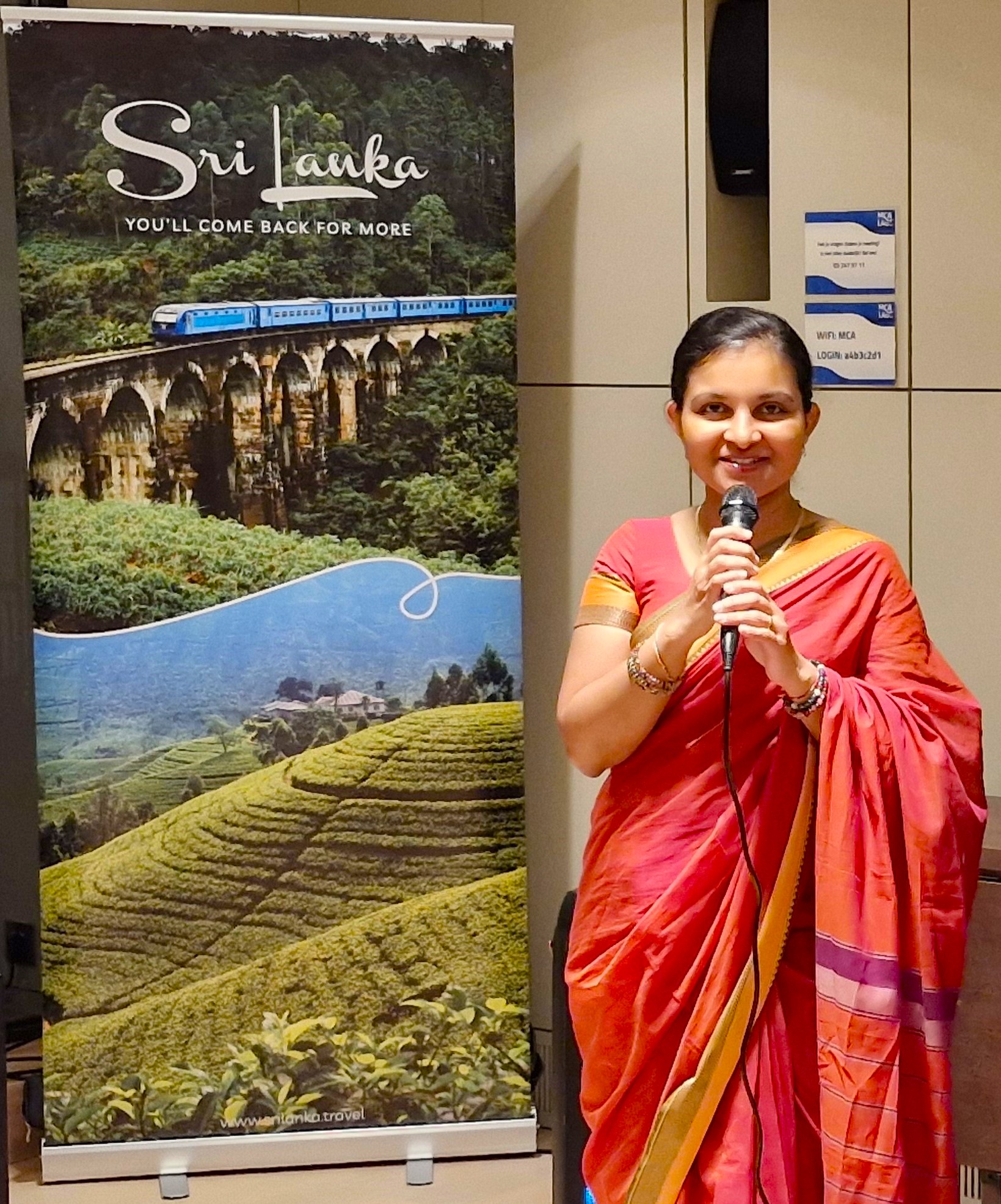
Ms. Thavishya Mullegamgoda, the Embassy’s Minister Commercial, in her presentation reasoned out “Why Sri Lanka is a Vital Island” for foreign partners. She presented strengths and opportunities in Sri Lanka’s trade, investment, and tourism spheres while highlighting potential areas for mutual collaborations with the Belgian private sector. She emphasized the importance of strategic location of Sri Lanka in the Indian Ocean and Antwerp in the Western Europe and invited Antwerp’s business community to explore Sri Lanka as a destination for expanding economic engagements.
In her remarks, Sri Lanka Hony. Consul, Ms. Monique De Deker Deprez highlighted Sri Lanka’s potential in various sectors that might be interesting to Belgian companies to explore. She elaborated her own recent experiences in Sri Lanka including to her factory visits to a few Belgian companies that have invested in Sri Lanka.
The event drew participation from several notable institutions in the Flemish region of Belgium, including the Port of Antwerp-Bruges, the City of Antwerp, Flanders Investment and Trade, Voka Chamber of Commerce in Antwerp. Entrepreneurs representing a cross-sector including diamond, tea, apparel, tourism, cigars, logistics, business consultancy, lifestyle projects, renewable energy, and import-export services also joined the event, alongside Belgian journalists and other stakeholders.
Antwerp, renowned as one of the world’s most significant seaports, a hub of the global diamond trade and one of the most important commercial cities in Belgium. Following the success of this event, the Embassy aims to organize more sector-specific business promotional events in Antwerp and the Flanders region in future.
The event was organized with the support of economic diplomacy programme of the Ministry of Foreign Affairs of Sri Lanka.
Embassy of Sri Lanka
Brussels
10 December 2024